
Uncategorized
Facial Oil: Who It Is For, and How to Use It
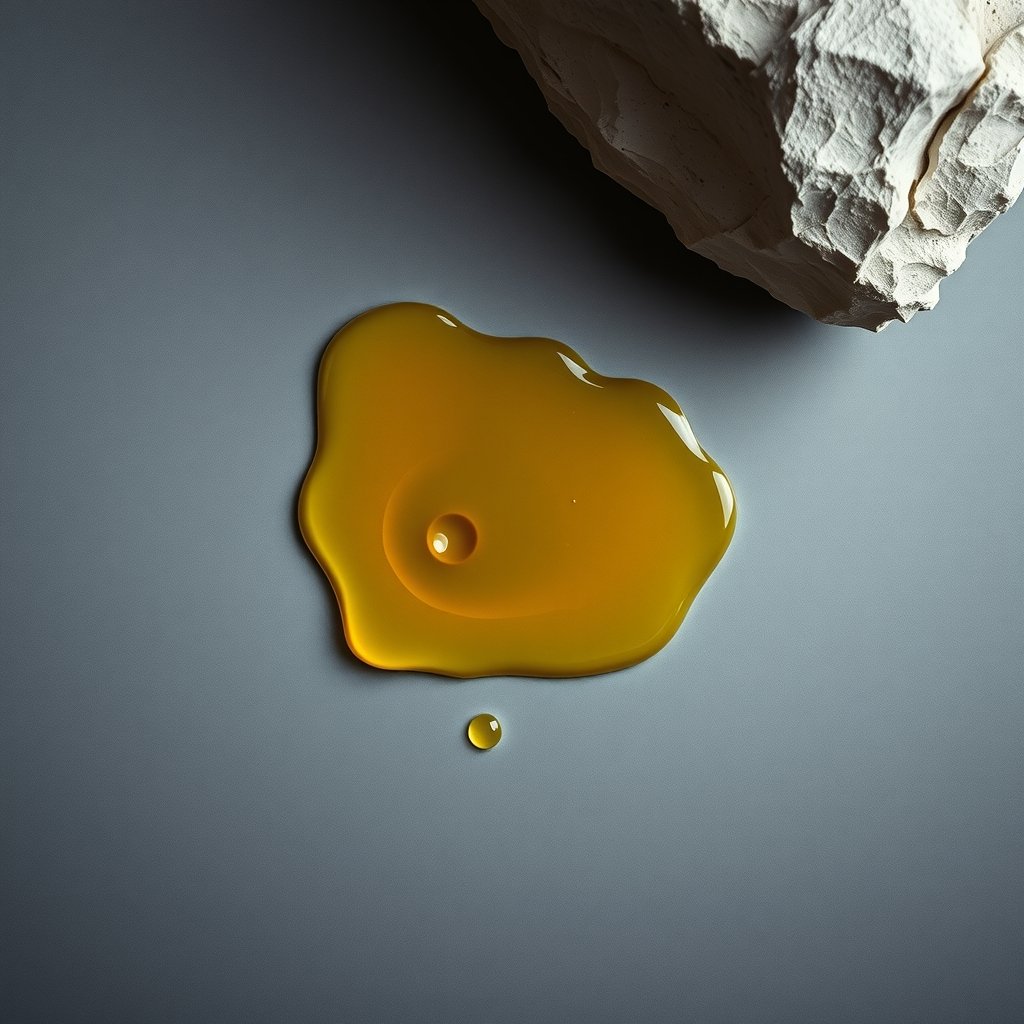
Facial oil seals moisture in rather than adding it. It contains no water, so it cannot hydrate skin on its own — it works by slowing the water loss from skin that has already been hydrated. That is why it goes on after your water-based products, not instead of them.
Get that one distinction right and facial oil becomes straightforward. Get it wrong and it feels like an expensive way to be greasy and still dry.
Humectant, emollient, occlusive
Three jobs, often confused:
- Humectants draw water in — glycerin, hyaluronic acid.
- Emollients soften and smooth the surface.
- Occlusives form a layer that slows water escaping. Facial oils sit here.
A complete routine usually involves all three. An oil on its own, on dry skin, in dry air, can leave skin feeling worse — you have sealed in very little.
Oil on damp, freshly-treated skin works. Oil on bare, dry skin mostly just sits there.
Who tends to benefit
- Dry skin — the clearest case, particularly in winter or air conditioning.
- Skin that feels tight after cleansing even with moisturizer.
- Mature skin, where surface lipids are lower and skin looks dull sooner.
- Anyone using a drying active, as a buffer.
Who should be cautious
If your skin is oily or congestion-prone, an oil is not automatically off limits — but it is the step most likely to cause problems, and it is the easiest one to skip. Introduce it on its own, at night, and watch for a fortnight before deciding.
There is no reliable way to predict which oil suits which skin from the label. “Non-comedogenic” has no standardised test behind it, so treat it as a hint, not a guarantee.
How to use it
- Apply to slightly damp skin. After a serum, or after moisturizer if your skin is very dry.
- Use less than you think. Two to four drops for the whole face.
- Warm it in your palms and press it into skin rather than rubbing.
- Give it a minute before makeup, or skip it in the morning if you find it too rich under foundation.
- Night first. Establish how your skin responds before adding it to your daytime routine.
Where it goes in the routine
After water-based products, before or instead of a moisturizer. Never before a serum, because the serum then has to get through it — this is the same thinnest-to-thickest principle covered in our post on what order to apply skincare in.
And never over sunscreen. Sunscreen is the last morning step, without exception.
Common questions
Can facial oil replace moisturizer?
For some people with dry skin, yes. For most, no — a moisturizer contains water, and an oil does not.
Will oil make me break out?
It might, and it might not. It varies by person and by oil, and the only way to know is a cautious two-week trial.
Morning or night?
Night is the easier place to start. Add mornings later if you like how it wears.
Our All-In-One Facial Oil publishes its full ingredient list so you can see exactly which oils it contains before you decide whether it suits you.