
Uncategorized
What a “Proprietary Blend” Is Hiding
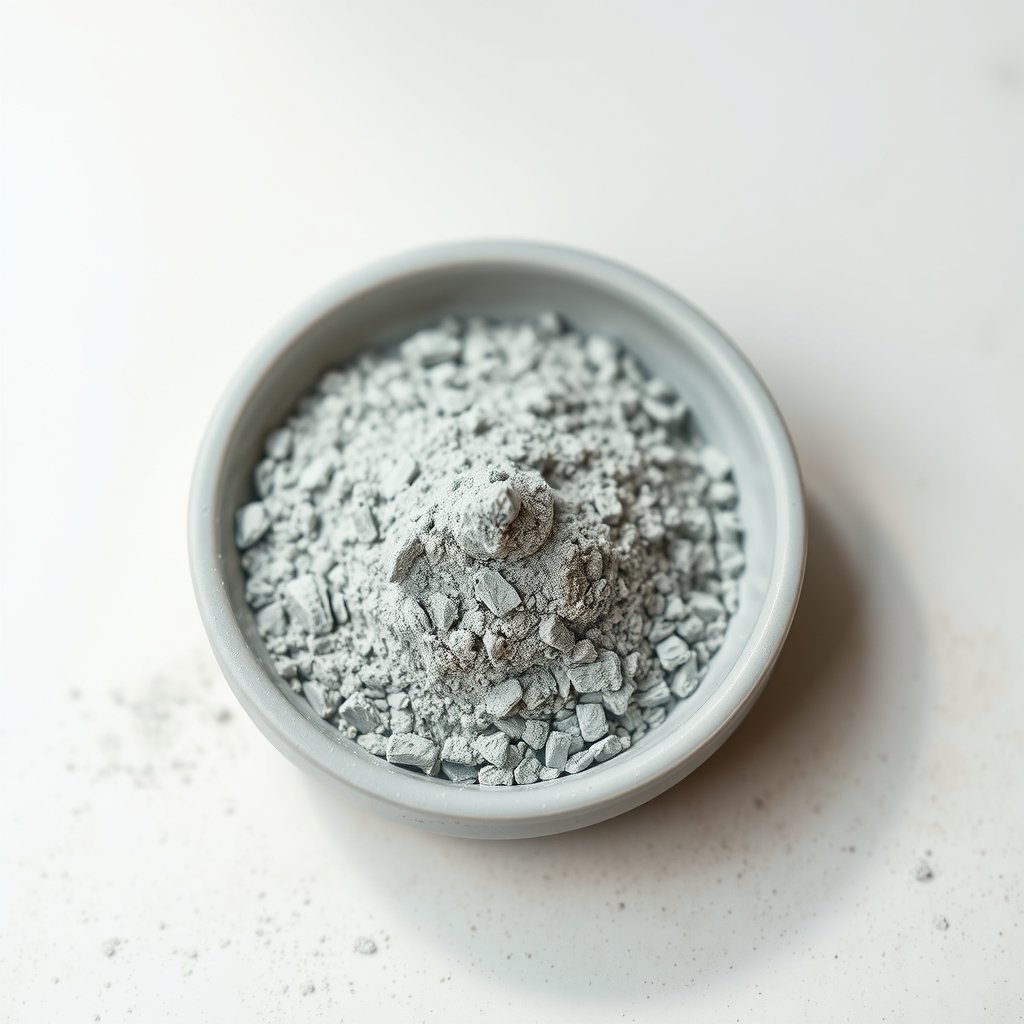
A “proprietary blend” groups several ingredients under one name so the brand does not have to disclose the amount of each. It is legal in both cosmetics and supplements, and its practical effect is that you cannot tell whether an ingredient is present at a meaningful level or as a trace.
Why brands use them
The stated reason is protecting a formula from copying. Sometimes that is genuine. But formulas are not generally protected by disclosure rules anyway — competitors can and do reverse-engineer products from the INCI list, which is public by law.
The more practical effect is that a blend lets a brand put an appealing ingredient on the front of a box while using very little of it. That practice has a name — angel dusting — and a proprietary blend makes it invisible.
How to spot one
- A named “complex”, “matrix”, “blend” or “system” on the label with a single quantity beside it, covering several ingredients.
- A supplement facts panel showing one milligram figure for a list of five or six things.
- A product page listing “key ingredients” instead of the full INCI list.
- Marketing that names an active prominently while the label places it below the preservative.
What you lose
- Comparison. Two products can carry the same ingredient at wildly different levels and look identical on the label.
- Dose context. Published research uses specific concentrations. Without a number you cannot tell whether a product is anywhere near them.
- Reaction tracing. If your skin reacts, an undisclosed blend makes it far harder to work out which ingredient did it.
That third one is the one people underestimate. Anyone who has tried to identify a trigger across three products knows how much hidden quantities cost.
Our position, stated plainly
MishBio publishes the full ingredient list for every product, and states active concentrations where we have them. We use no proprietary blends. That is not a claim about how well anything works — it is a claim about what you are able to check, which is the only kind of claim a brand should be making about its own transparency.
Where we do not yet hold a figure, the product page says nothing rather than implying one. An empty field is more honest than a vague one.
Common questions
Are proprietary blends legal?
Yes, in both cosmetics and dietary supplements in the US. Legality is not the issue; assessability is.
Does a brand without blends mean better products?
No. It means you can evaluate the products. Those are different things, and conflating them would be exactly the kind of claim this article is arguing against.
How do I check a product I already own?
Read the INCI list on the carton and find the 1% line — our guide to reading an ingredients list covers the method.